
https://frieze.com/article/mark-dions-theatre-natural-world
I came across Mark Dion's work that was displayed at Whitechapel and found this article quite useful.

Questioning the hierarchy of objects and our fragmentary approach to knowledge at the Whitechapel Gallery, London
Frustrating as it might be, the exhibition fails to disappoint. Spread across the gallery’s two floors are around 20 works, as well as drawings and prints, created over the past two decades, which keep an inquisitive mind constantly engaged. ‘I do not want the visitors to rush through, as if it was an Ikea shop,’ Dion says. The art of slowing down is prompted in multiple and multisensory ways: as we peek inside a wooden lodge, Hunting Blind (The Glutton) (2008), where cured meat hangs from the ceiling and a table is set for a feast; examine the mind-boggling detail of the Bureau of the Centre for the Study of Surrealism and its Legacy (2005), a fictional recreation of the Surrealists’ Parisian office of 1924; in a sumptuous library that Dion arranges on the top floor.

Mark Dion, The Library for the Birds of London (detail), 2018, mixed media; steel, wood, books, zebra finches, and found objects, installation view, Whitechapel Gallery, London, 2018.
The centrepiece of the ground floor is The Library for the Birds of London (2018), a walk-in aviary populated by Australian zebra finches who, examining their curious visitors, jump from branch to branch on an apple tree, rest on Introducing Marxism (2004) and various other books representing the multitude of disciplines that define humankind’s fragmentary approach to knowledge. It seems as if the entire world could be sliced down and placed onto neat shelves in a library: here biology, there mathematics, over there philosophy. The finches chirp ever-gleefully, displaying little interest in science nor the humanities; neither quantum physics nor curative medicine, but rather in the regular seed supplied by staff. Visitors are told to enter and exit the cage with extreme caution, so that none of Dion’s bird friends escape the installation into the wilds of the gallery.
The wilderness is no safe place, as two life-size wooden hunting blinds displayed in the same room remind us. The works focus on the history and culture of hunting: that peculiar human activity combining a profound sense of respect and admiration towards non-human species on the one hand, and the inexplicable brutality of killing for the sake of enjoyment on the other. Dion makes no quick judgments in his portrayal, but rather questions the practice and the associated political and ecological entanglements. Once known as ‘the sport of kings’, the hobby is itself moving fast towards extinction; the intimate and ‘cultured’ tradition of hunting replaced by slaughter on an industrial scale.

Mark Dion, Hunting Blind (The Librarian), 2008, mixed media, 5.2 x 1.8 x 1.8 m, installation view, Whitechapel Gallery, London, 2018.
-----------

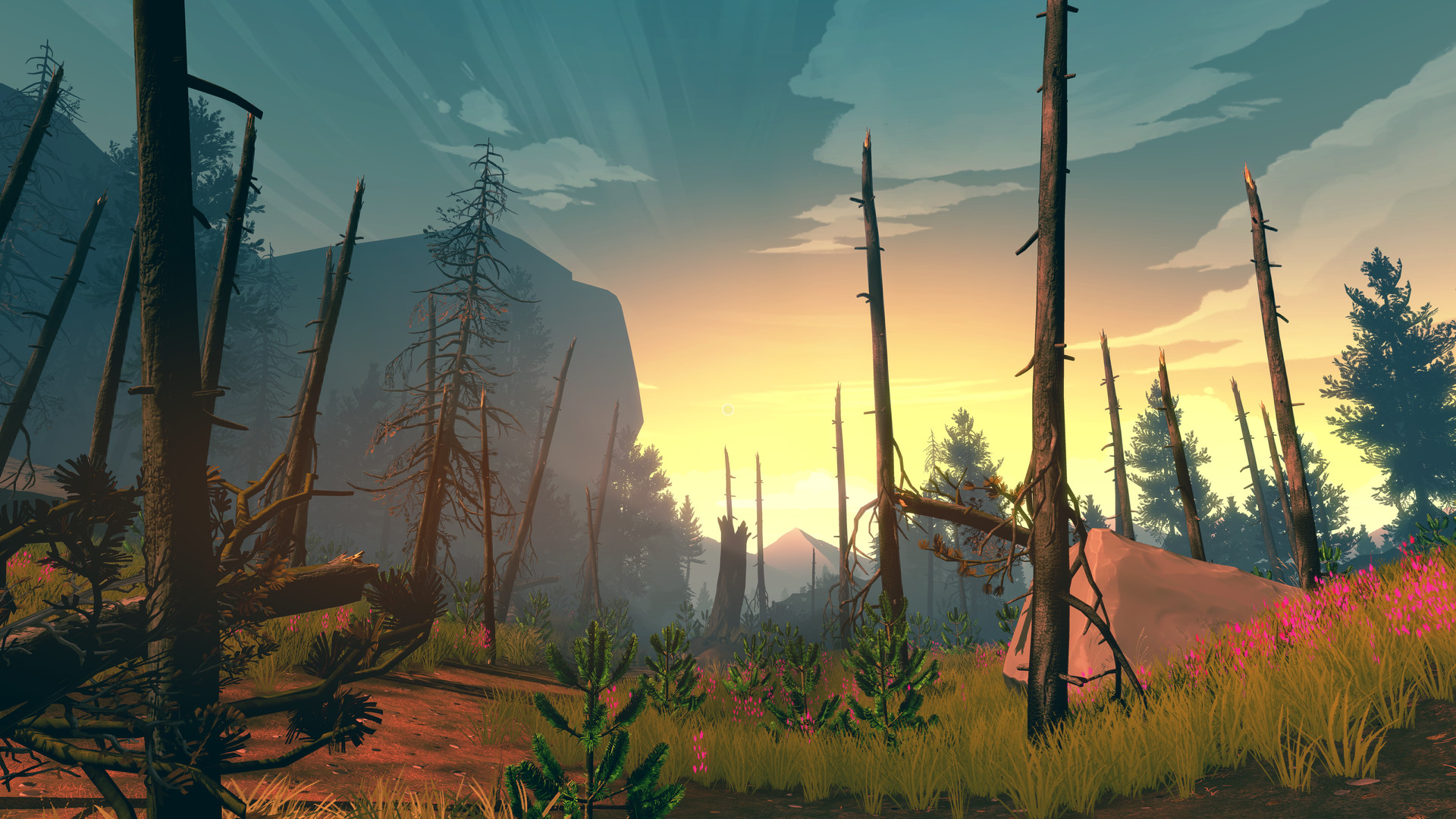
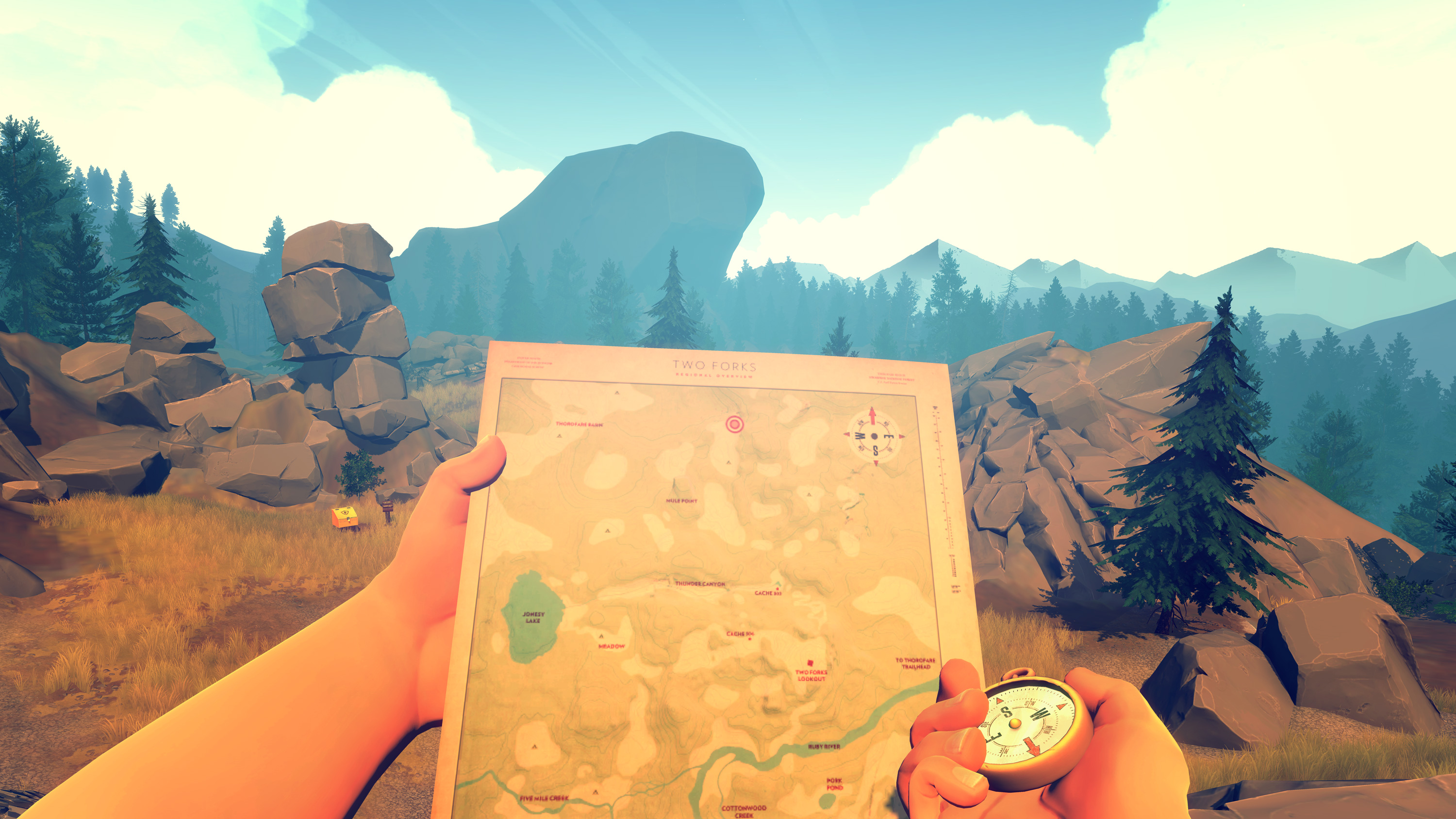
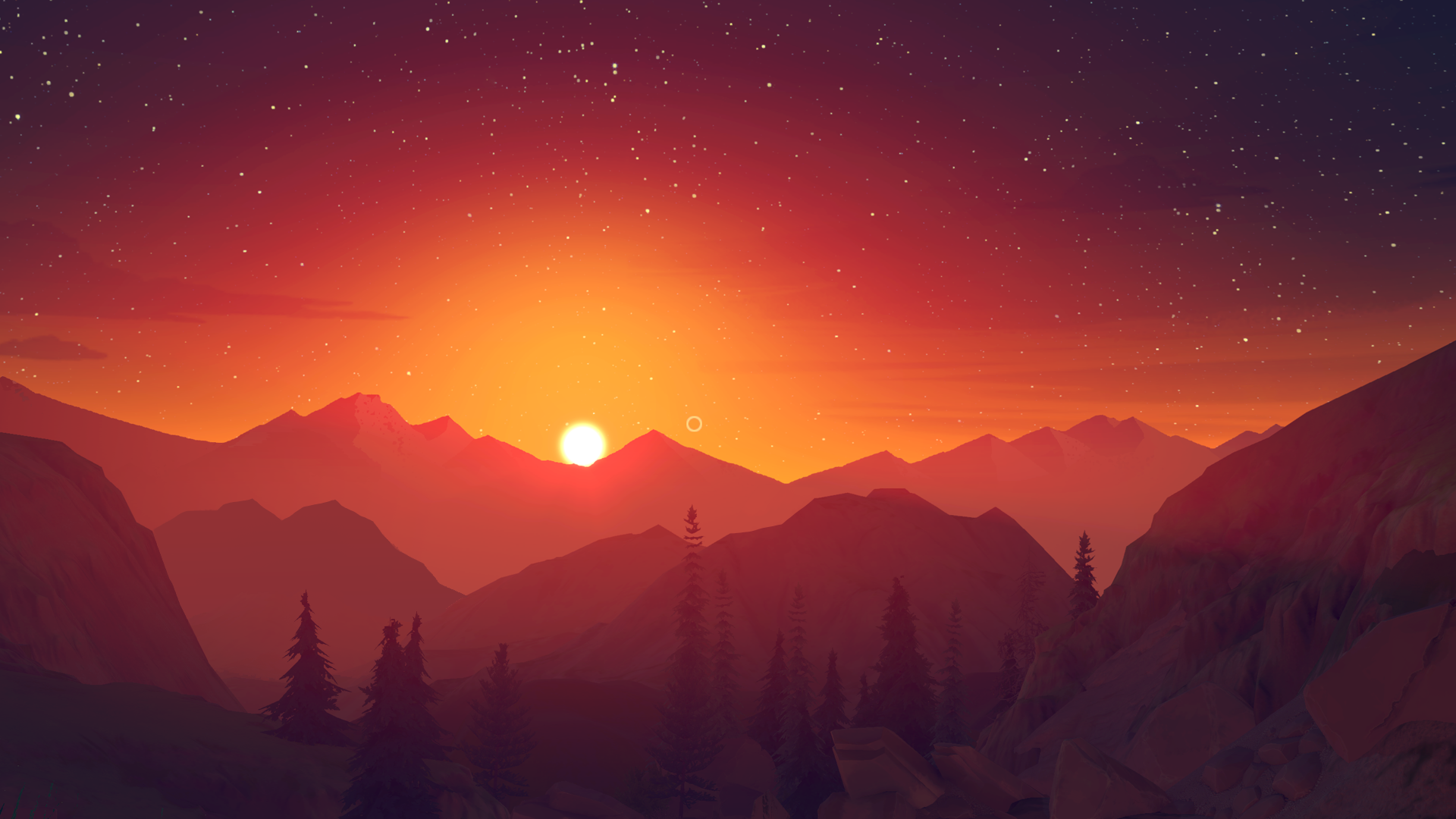
'Firewatch is a single-player first-person mystery set in the Wyoming wilderness, where your only emotional lifeline is the person on the other end of a handheld radio.'
'Experience the wild as a mother badger sheltering her cubs from harm. On their journey they get stalked by a bird of prey, encounter perils of the night, river rapids crossings, big forest fires and the looming threat of death by starvation. Food is to be found, but is there enough for everyone?'


anyway, I was having a browse on Dion's work and I love these smaller installations:

Mark DION
Survival of the Cutest, (Who gets on the Ark?)
from 'Wheelbarrows of Progress' with William Shefferine, 1990
Toy stuffed animals, white enamel on red steel, wood and rubber wheelbarrow

Mark Dion, Deep Time / Disney Time, 1990, Antique writing table, animated MIckey Mouse, 110 x 120 x 130 cm
https://ebookcentral.proquest.com/lib/ual/reader.action?docID=310870 : Cabinet of Curiosities: Mark Dion and the University as installation

Mark Dion and William Schefferine
Tropical Rainforest Preserves (Mobile Version) from 'Wheelbarrows of Progress', 1990,
Tropical vegetation, soil, stones and enamel wheelbarrow
also, I love this work by Robert Smithson, so simple but effective, and the map in the middle:

Robert Smithson, Ithaca Mirror Trail, Ithaca, New York. 1969